Are High Heels Harmful to Your Health?
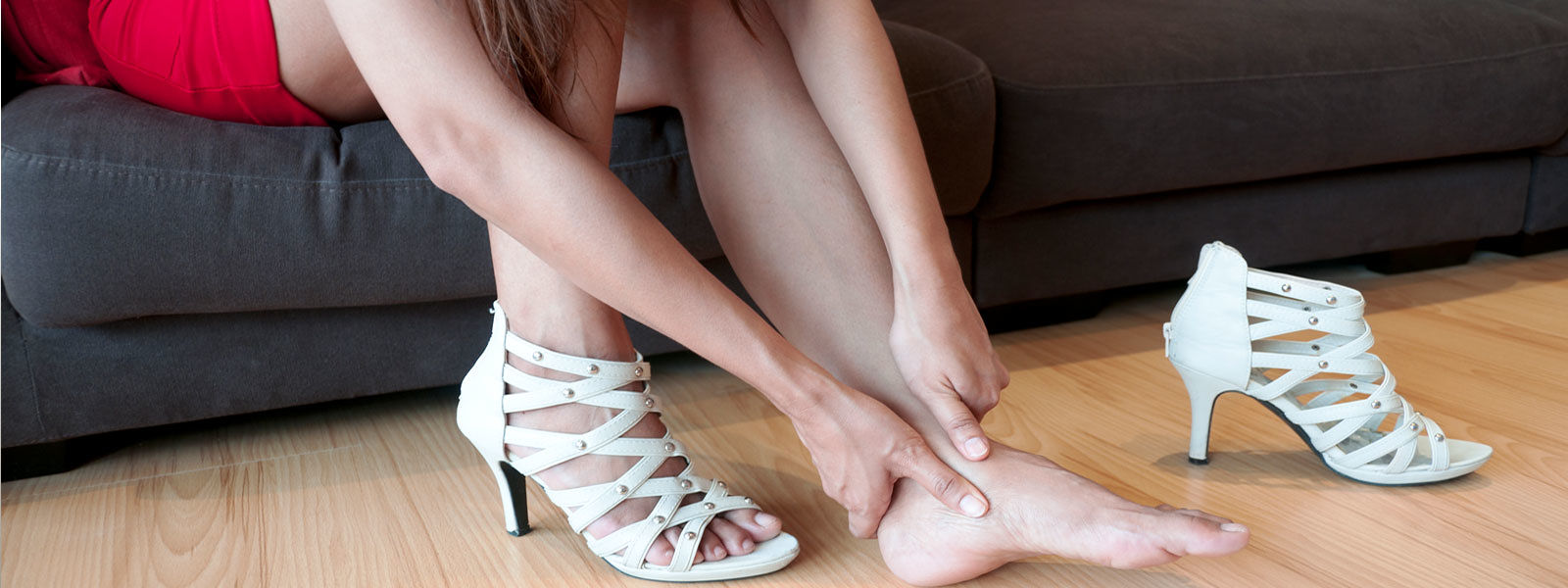

Discover how high heels and narrow shoes can damage the tiny sesamoid bones in your feet, and learn expert tips to keep your feet healthy and pain-free.
Our feet contain small bones that act like shock absorbers in a car. Located just below the joint where the first metatarsal bone meets the toe, these two tiny bones—called the "metatarsal sesamoids" and about the size of a bean—help increase the pushing power of the big toe when we walk.
So when do we become aware of these metatarsal sesamoids? When we stand for long periods or during the push-off phase of walking, pain accompanied by slight swelling in the feet signals a problem with these bones. The pain is usually felt under the joint where the first metatarsal meets the toe. Limited backward movement of the toe also occurs because the patient tends to move the joint less due to pain.
Be careful with high heels and pointed toes!
Sesamoid pain occurs especially in women due to inappropriate shoe choices. Other causes include standing for long periods, sudden trauma during sports activities at a young age, or repetitive minor trauma in middle age. People with a high-arched (cavus) foot structure are more prone to sesamoid pain because of the angled shape of the first metatarsal bone.
The most important way to protect yourself: choose the right shoes
The first step in preventing sesamoid problems is choosing appropriate footwear. High-heeled and pointed-toe shoes should only be worn for special occasions and for limited periods. Wearing the same shoes for a long time can also negatively affect the sole's properties and increase pressure on the sesamoid area. Shoes with a rounded sole that provide adequate cushioning and make walking easier can protect against sesamoid problems. People with high-arched feet and those who are overweight should pay even more attention to these recommendations.
Surgery may be needed
Sesamoid pain can arise from reactions in the sesamoid capsule (sesamoiditis), as well as from bone edema and sesamoid fractures. For people with pain due to sesamoiditis, the first three steps of treatment are weight loss, ensuring proper shoe use, and temporarily limiting daily standing time.
In some patients, silicone inserts that increase cushioning of the sesamoids inside the shoe may also be used. In severe cases, anti-edema medications are prescribed. If these treatments are not effective enough, injections applied to the painful area can largely suppress the reaction. In more advanced cases, open or endoscopic surgery to clean the reaction or remove the problematic bone may be considered.
Source: mahmure