12 Natural Remedies for Indigestion and Constipation
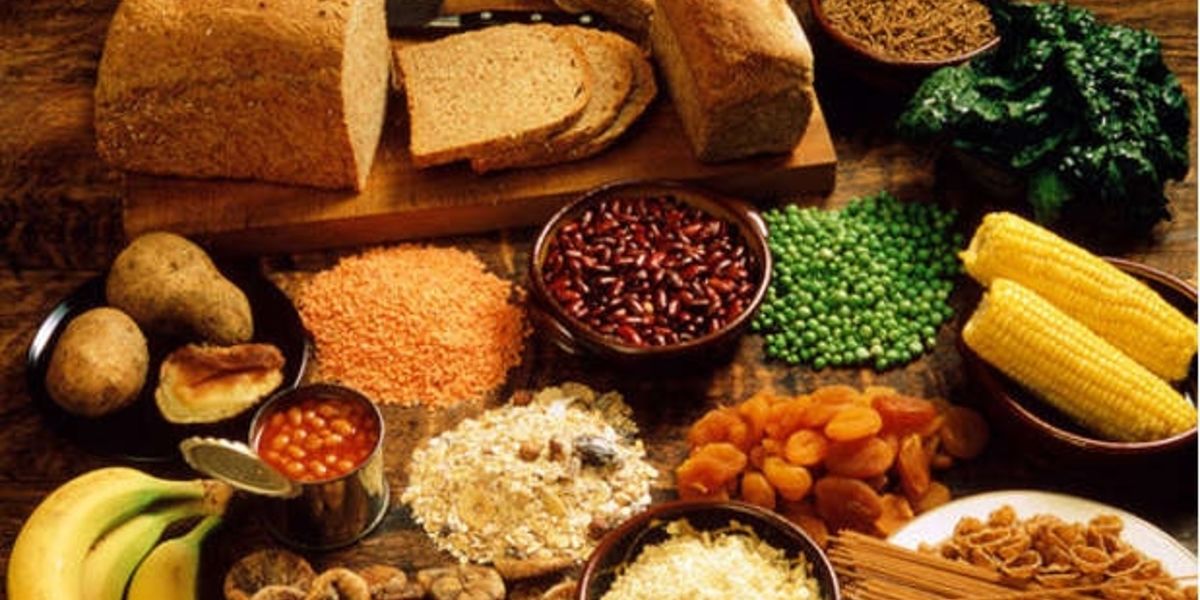

Discover 12 effective natural ways to fight constipation and indigestion at home.
Constipation is a common issue that many of us face at some point, and for some, it can become a chronic problem. If left untreated, it can lead to other health issues. To avoid constipation, we should adjust our lifestyle, sleep patterns, and diet accordingly, and turn to natural methods as much as possible to avoid medications and problems that cause constipation. Psychology also plays a significant role in constipation, perhaps even more than diet. That's why many people suffer from chronic constipation and can't seem to resolve it. In this article, we'll share 12 highly effective natural methods you can easily apply at home to combat constipation.
Drink Plenty of Water
This is something we all know but often find hard to implement or forget. It's the most important rule: drink enough water daily for your body's needs, without waiting until you're thirsty. Sugary, acidic drinks you consume when thirsty can worsen constipation. Dehydration can cause constipation, so make sure you're drinking enough water.
Increase Fiber Intake
One of the first recommendations for people with constipation is to increase fiber intake. This is because increased fiber intake adds bulk and softness to stool, making it easier to pass. Soluble fibers found in oat bran, barley, nuts, seeds, beans, lentils, peas, and some fruits and vegetables can help prevent constipation.
Move More
As many studies have shown, exercise significantly reduces constipation symptoms. If you suffer from constipation, try taking regular walks. It's definitely worth a try.
Drink Coffee, Especially Caffeinated
Coffee, especially with caffeine, stimulates the muscles in the digestive system and creates the urge to go to the bathroom. Coffee also contains a small amount of soluble fiber that helps improve gut bacteria balance and prevent constipation, making it very beneficial.
Try Senna, a Natural Laxative
Senna, a herbal laxative used for centuries, is commonly used to relieve constipation. However, note that senna is not recommended for pregnant or breastfeeding women or those with conditions like inflammatory bowel syndrome.
Eat Plenty of Probiotic Foods or Take Probiotic Supplements
Probiotics play a crucial role in preventing and treating chronic constipation. People with chronic constipation have been shown to have an imbalance in gut bacteria. Probiotic foods help improve this balance and prevent constipation. Include probiotic-rich foods like yogurt, kefir, homemade sauerkraut, and kombucha in your diet. For those who need extra help, probiotic supplements are widely available in pharmacies and should be tried.
Try a Low-FODMAP Diet
The low-FODMAP diet is an elimination diet often used to treat irritable bowel syndrome (IBS). If your constipation is caused by IBS, it may be effective. The FODMAP diet groups foods and is based on gradually removing certain food groups from your life and observing changes in your body. It's best to consult a nutritionist for details.
Take Glucomannan Supplements
Glucomannan, also known as dietary fiber, is a water-soluble fiber from a plant root and is known to be very effective for constipation. It improves bowel movements and regulates the balance of good bacteria in the intestines.
Consume Prebiotic Foods
Like probiotics, prebiotic fibers feed the good bacteria in your gut and improve digestive health. This can enhance the balance of gut bacteria. Foods high in prebiotic fiber include garlic, onions, and bananas. Foods containing prebiotic fibers can improve digestive health and the balance of good bacteria in your gut, often relieving constipation.
Try Magnesium Citrate
Magnesium citrate is a popular home remedy for constipation because it's natural and available over-the-counter. High doses are even used as a laxative before surgery, so low doses can be very effective for constipation.
Eat Prunes
Prunes and prune juice are often nature's great remedy for constipation. Studies have shown that prunes may be more effective than fiber. If you're dealing with constipation, prunes might be the easiest natural solution available.
Try Avoiding Dairy
In some cases, intolerance to milk and dairy products can cause constipation due to their effect on bowel movements. If you experience discomfort or bloating when eating dairy, or if you suspect it, try temporarily removing it from your diet to see if your symptoms improve. After a trial period, observe any changes in your body and decide accordingly.